Your mother used to be a great cook. She fed a family for decades, always had something on the stove, took real pride in a well-made meal. Now you open the refrigerator when you visit and there is a container of yogurt, some cheese, and not much else. She says she has not been very hungry. She has lost weight. She seems smaller than she did six months ago.
Nutritional decline in older adults is extremely common, often gradual, and significantly underappreciated as a health risk. It affects energy, immunity, wound healing, cognitive function, and the ability to recover from illness. And the reasons behind it are often more complex than simply not feeling hungry.
Why Eating Well Becomes Harder With Age
Appetite Genuinely Decreases
Changes in metabolism, reduced physical activity, and alterations in taste and smell all contribute to a real decrease in appetite as people age. The hunger signals that reliably motivated eating for decades become less insistent — and skipping meals becomes easier.
Medications Affect Appetite and Digestion
Many common medications — including some heart medications, antidepressants, and pain management drugs — have appetite suppression, nausea, or digestive side effects. When appetite loss coincides with a medication change, that connection deserves clinical attention.
Preparing Food Becomes Physically Demanding
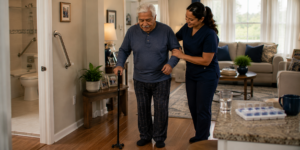
Standing at the stove for 30 minutes, carrying heavy pots, handling sharp knives — the physical demands of cooking become harder with age and can become genuinely unsafe for someone with balance issues or hand weakness. The result is simpler and simpler meals, or none at all.
Cognitive Changes Disrupt Meal Patterns
Someone with early cognitive decline may forget to eat, forget they already ate, or lose track of how to prepare foods they made routinely for years. Nutritional decline is often one of the earliest practical consequences of cognitive impairment.
Why Nutritional Decline Matters Clinically
It Affects Recovery From Everything
A person who is nutritionally depleted heals more slowly from wounds, recovers more slowly from illness, and is at significantly higher risk for complications during any acute medical event. Nutritional status is not a quality of life issue — it is a clinical foundation.
It Contributes to Falls and Functional Decline
Muscle wasting from inadequate protein intake is one of the most significant contributors to the physical weakness that leads to falls. Dehydration — which often accompanies poor nutrition in older adults — affects balance, alertness, and blood pressure regulation.
What Good Nutritional Support at Home Looks Like
Meal Preparation by Someone Who Is There
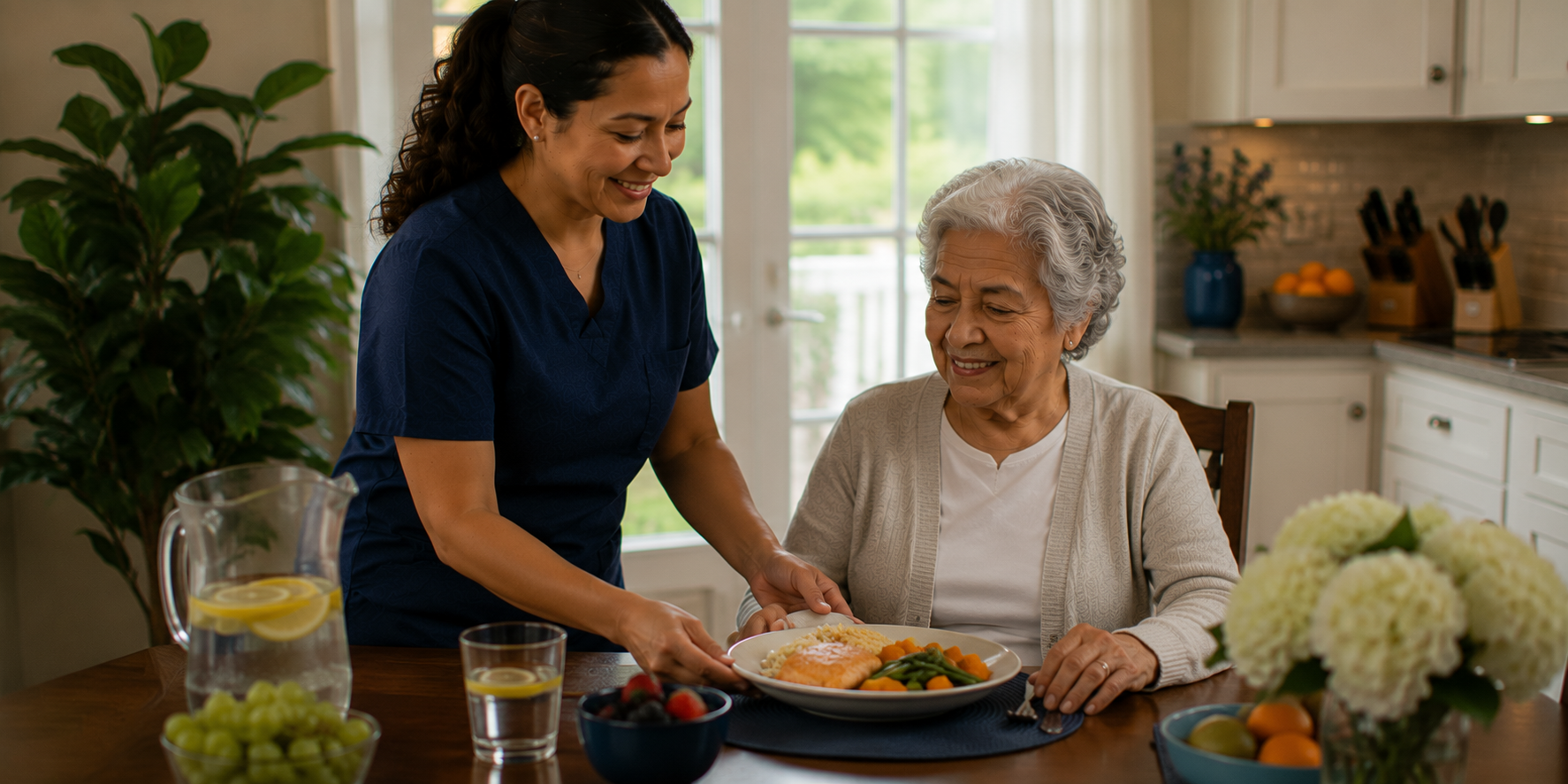
The most effective nutritional intervention for an older adult living alone is having someone present to prepare nutritious meals, sit with them while they eat, and make eating a social and pleasant experience rather than a solitary task to be gotten through.
Attention to Preferences and Dignified Eating
Nutritional support is not about forcing food. It is about offering foods the person actually enjoys, preparing them in ways that are easy to eat, and creating mealtimes that feel good rather than like a medical obligation.
Clinical Monitoring of Weight and Intake
Our RNs track nutritional status over time — weight trends, intake observations from caregivers, and any clinical changes that may be related to nutritional decline. When something needs physician attention, it gets there.
Nutrition Is a Clinical Priority at CSN — Not an Afterthought
At Consistent Solution Nursing, meal preparation and nutritional support are built into every care plan. We take it seriously because we know what happens to health when it is ignored. If your loved one has been losing weight or you are worried about what they are eating, call us.